Evaluating the Watercolor Red Panda Clipart for Real Embroidery Projects
As a designer who regularly translates digital graphics into physical stitches, I approach every new design with a practical eye. Today, I'm looking at the Watercolor Clipart. Red Panda Png, specifically imagining it not just as a graphic on my screen, but as an embroidered element on a finished product. Let's talk about how this charming illustration holds up for real-world use.
The Immediate Visual Charm and Its Embroidered Potential
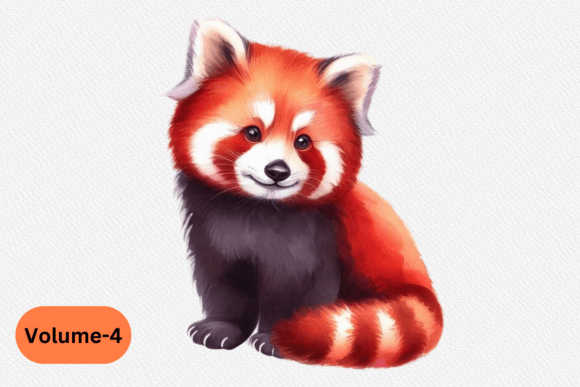
The first thing that strikes me about this red panda design is its gentle, whimsical mood. The watercolor style isn't just a trendy filter; it suggests a softness and a hand-painted texture that can translate beautifully into embroidery. The shapes are distinct but not overly sharp, with a lovely layout that makes the panda feel like a complete, standalone character. This is a huge advantage for embroidery designers. A graphic with a clear personality like this means customers get an immediate emotional connection—it feels like a story, not just a shape. In my mind, I'm already picturing it on a soft, organic cotton baby blanket or as the focal point on a cozy pillow cover for a nursery.
Where This Design Shines: A Natural Fit for Crafters and Entrepreneurs
The strength of this Watercolor Clipart. Red Panda Png lies in its versatility for a broad range of handmade products. For my own client work and small shop merchandise, I see several natural fits. A custom embroidered tote bag, for instance, would be a perfect canvas. The high-resolution, 3600x3600 pixel size gives me confidence that scaling it to a bag’s front panel won’t lose the charming details of the face and fur texture. Similarly, a sweatshirt or t-shirt embroidery project would benefit from its friendly, non-aggressive aesthetic—it's universally appealing.
For crafters running an Etsy shop or selling at fairs, this graphic is a fantastic foundation. It’s ideal for creating personalized gifts, like adding a name below the panda on a child's apron or a kitchen towel. The transparent background is, of course, a critical feature, allowing me to easily place it on any digital product preview or printable mockup for my listings. As a commercial embroidery asset, it has the professionalism to elevate a simple product, like a tea towel, into a boutique-ready item.
A Specific Scenario: Crafting a Boutique Baby Gift Set
Let's walk through a real case. A client requests a gift set for a newborn. I'm considering a matching pillow cover and a small cap. The red panda’s gentle, almost protective posture makes it ideal. I’d need to think about stitch density—the watercolor effect likely has areas of lighter and darker shading. On the cap’s curved surface, I'd aim to capture the lighter tones with a less dense fill stitch to keep the fabric flexible and comfortable. On the flat pillow, I could go for a richer, more textured stitch to mimic that painted feel. This is where the design’s inherent detail level guides my machine embroidery choices.
Cautions and Considerations for a Successful Stitch-Out
While the design is lovely, practical application requires some forethought. The watercolor style, with its soft edges and blended colors, can present challenges on certain fabrics and in small formats. On very textured fabrics like a thick sweater, the subtle gradients might not read as clearly. On dark fabric, the choice of thread colors becomes paramount—you'd need a very strategic palette to keep the panda's warmth and visibility.
I would be cautious using it in very small hoop sizes. The 3600-pixel resolution suggests it’s built for a decent size, but if you minimize it drastically for, say, a tiny corner on a hat, those beautiful details in the ears and eyes could become a muddled cluster of stitches. Always, always test the design on scrap fabric first. Run it in a black-and-white mockup on your software to check the contrast of the elements. Inspect the small details, like the lines defining the paws, to ensure they'll translate into a clean running stitch or satin stitch border without breaking up.
How This Clipart Impacts Your Business and Customer Experience
Using a design with such clear visual appeal does more than just decorate a product; it builds customer trust. When a handmade product features a cohesive, well-executed graphic like this, it signals care and professionalism. For a craft business, it aids in brand consistency if you’re building a line around a certain aesthetic—say, gentle animal themes. The giftability is high, which directly affects buyer engagement in your listings.
For apparel decorators, it’s a design that doesn't feel generic. That uniqueness increases the perceived value of a custom embroidered sweatshirt. It tells a story, which customers love. However, for products needing frequent washing, like baby clothes or kitchen linens, consider how the stitch coverage will hold up. A design with large, solid areas might be more durable than one with many tiny, intricate transitions. Again, testing is key.
Essential Designer Notes Before You Hoop Your Fabric
My final practical advice before you commit this panda to thread:
- Confirm the licensing for your intended use. Is this for personal projects, or are you selling the finished items? Don't assume.
- Use proper stabilizer suited to your base fabric, especially for stretchy materials or lightweight cotton.
- Plan your thread palette carefully. The watercolor look benefits from a thoughtful mix of colors, not just a flat red and white.
- Compare how it looks on both light and dark fabric backgrounds in your design software. You might need different color sets for each.
- Remember, this is a PNG file—a graphic. You will need to digitize it into an embroidery file suitable for your machine, considering stitch types and underlay.
The Watercolor Clipart. Red Panda Png is, in my estimation, a robust and charming starting point for a wide array of embroidery projects. Its mood, resolution, and standalone composition make it a reliable choice for crafters looking to create products with heart and handmade appeal. By approaching it with these practical considerations in mind, you can transform this lovely illustration into a stitched reality that delights both you and your customers.