A Real-World Review of the Watercolor Lion Clipart
When you're looking for a design to bring to life with thread, it's not just about the digital file on your screen. It's about imagining how those pixels will translate into stitches, how the texture will feel, and ultimately, how it will resonate with the person receiving the finished piece. That's the lens I'm using to look at the Watercolor Lion Clipart Volume –6. Let's talk about what this graphic offers for real embroidery projects.
First Impression: A Gentle, Artistic Majesty
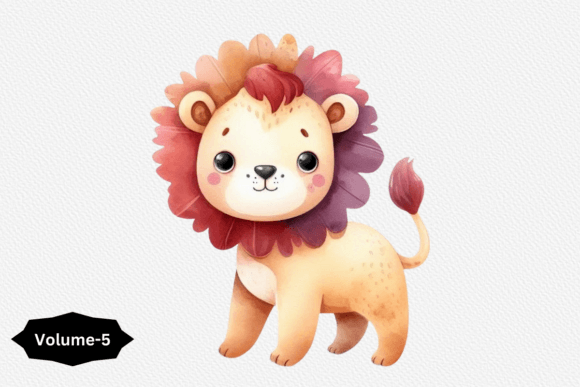
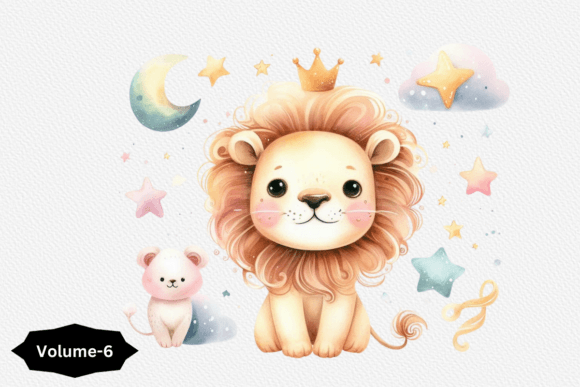
Opening this file, the immediate feeling is one of soft, artistic power. The watercolor style isn't just a visual trick; it suggests a mood. This lion isn't fiercely realistic or cartoonishly bold. It carries a dignified, almost gentle personality with those blended color edges and organic flow. For embroidery, that translates into a design that feels handcrafted and artistic from the outset, which is a huge advantage for handmade products. The shape is clear and well-defined—a solid, central figure—making it a confident choice for a main focal point on an item.
Where This Lion Roams in Your Project Lineup
I picture this design excelling on items where that artistic, soft aesthetic enhances the product's purpose. Imagine a custom baby blanket or a nursery pillow cover. The watercolor gentleness pairs perfectly with baby items, avoiding harsh lines. It would be a standout on a high-quality tote bag for a book lover or artist, elevating a simple canvas bag into a boutique-level accessory.
For apparel, like a premium cotton sweatshirt or a linen apron, it brings a sophisticated, unique flair that typical graphic logos don't. It's a strong candidate for a personalized gift—think a father's birthday cap or a commemorative pillow. As an embroidery file for patches, it would create a beautifully detailed, conversation-starting accent. For small shop merchandise, this kind of design adds perceived value; customers see the artistry and assume a higher level of craftsmanship.
Navigating the Stitching Terrain: Practical Considerations
The high resolution and size are promising. At 3600 x 3600 pixels, it gives you ample room to scale for larger hoop sizes without losing definition. However, the watercolor style's soft edges and color blends are where your embroidery machine skills come into play. This isn't a design of stark, solid blocks of color. The nuance suggests using fill stitches with thoughtful thread color choices to mimic that blended effect. You might achieve this by using variegated thread or carefully planning a gradient of solid colors.
A natural scenario: preparing an embroidered tea towel as a wedding gift. You'd want the lion to feel elegant and soft. On light fabric, the design's transparent background is perfect. But you must consider stitch density. The file is a PNG, so you'll be converting it to your machine's format. The detailed mane and facial features will need attention. I'd strongly advise testing the design on scrap fabric first, especially to see how those watercolor "brushstrokes" translate into satin or fill stitches. Check the clarity of the smaller details, like the eyes, on your chosen hoop size.
Caution Zones: Where to Proceed Carefully
The artistic detail is its strength, but also its consideration point. On very small hoop sizes, some of that lovely watercolor texture in the mane might become too dense or lose its blended appearance. Embroidering on dark fabric requires a bright, opaque underlay or a very strategic choice of thread colors to keep the design vibrant and visible—test it in a black and white mockup first to judge contrast.
Textured or stretchy fabrics, like some sweatshirt materials, can sometimes distort softer designs. Using a proper stabilizer is key here. For curved surfaces like caps, the central, bold shape is good, but ensure the design's width fits the cap's curvature without forcing awkward scaling. Products destined for frequent washing, like baby clothes or kitchen towels, need a robust stitch structure. Review the stitch density after conversion to ensure it's not too sparse or too tight, which can affect durability.
The Business and Brand Impact of a Well-Stitched Design
Using a graphic like Watercolor Lion Clipart Volume –6 effectively does more than finish a product. It elevates your visual appeal. A clean, artistic embroidery based on this file signals professionalism and taste to customers, building trust. For a craft business or Etsy seller, it helps create a cohesive brand look if you use a series of similar artistic illustrations. Its giftability is high—it feels personal and special, not mass-produced.
For commercial embroidery projects or as part of your own digital product line (like printable mockups for your shop), its clarity at high resolution is a major asset. It presents well in digital previews, helping engage potential buyers. Always confirm the licensing terms for the clipart before selling finished items or incorporating it into commercial design assets. The provided details state it's a graphic for illustrations, but specifics on commercial use should be verified.
Final Notes for the Embroidery Designer
Before you commit this lion to your final project hoop, do your practical homework. Test it on your actual project fabric type as a scrap run. Review the stitch density and thread count after your conversion to an embroidery file—does it feel right? Inspect how the small details render. Compare how it looks on both light and dark background mockups to plan your projects. Use the appropriate stabilizer for your fabric to preserve all that delicate detail.
This Watercolor Lion Clipart has the foundational quality—size, resolution, and a strong artistic concept—to become a standout element in your embroidery work. Its success hinges on your skillful translation from pixel to stitch. When done thoughtfully, it can create truly memorable custom apparel, personalized gifts, and small shop products that carry the warmth and uniqueness of real handmade craft.