Evaluating the Watercolor Ginkgo Leaves Embroidery Design
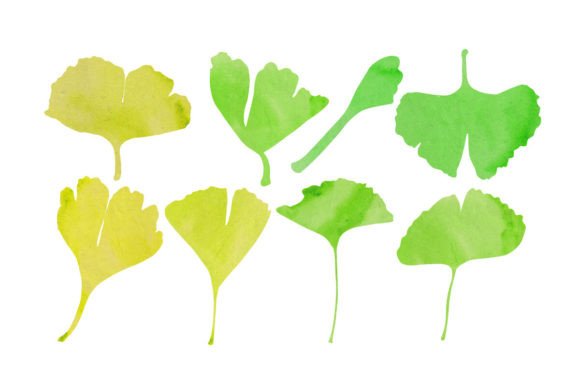
As someone who’s spent years turning digital files into embroidered products, my first question about any new design is always practical: how will it translate into thread and fabric? Today, I’m looking at the Ginkgo Leaves. Watercolor Ginkgo Biloba design, considering it from the point of view of an embroidery designer preparing real projects. Let’s talk about how this particular piece of digital embroidery file might perform in the real world of custom apparel and handmade gifts.
The First Impression: Where This Design Belongs
This design immediately evokes a sense of organic, soft elegance. The watercolor aesthetic isn’t just a graphic style; it suggests a mood. It feels peaceful, artistic, and slightly nostalgic. For an embroidery designer, that mood is a powerful starting point. This isn’t a bold, graphic logo; it’s a decorative, illustrative piece. It naturally belongs to projects where the handmade product is meant to feel personal, gentle, and thoughtfully crafted. Think of a linen pillow cover for a serene bedroom, a delicate embroidered patch on a journal cover, or a baby embroidery motif on a keepsake blanket. Its visual personality leans toward boutique, gift-oriented, and lifestyle-focused items rather than high-impact branding.
Real-World Embroidery Performance: A Scenario
Imagine you’re an Etsy seller preparing a batch of custom tote bag designs for a holiday market. You want a design that feels special but isn’ overly fussy to stitch. You load the Ginkgo Leaves. Watercolor Ginkgo Biloba embroidery file. The organic, overlapping leaves and soft color gradients present an interesting challenge. In a real embroidery project, the success here hinges on stitch interpretation. The watercolor effect, with its blended tones, will need to be rendered through careful thread colors and potentially layered fill stitch areas. On a medium-weight canvas tote, with proper stabilizer, this should create a beautiful, textured result. However, the level of detail means it’s likely best suited for a moderate to larger hoop size. Stitching it onto a small baby cap might lose too much of that delicate personality.
Where It Will Flourish and Where to Be Careful
This design will flourish on stable, lighter-colored fabrics where the subtleties can shine. A custom apparel item like a linen apron or a cotton sweatshirt embroidery would be perfect. It would also make stunning holiday embroidery or wedding gifts—personalized tea towels or pillow covers with this motif feel inherently giftable. The design’s illustrative nature boosts product value and customer trust in your craftsmanship; it looks like a thoughtful choice, not a generic clipart.
But be careful with smaller applications. On a curved surface like a cap, the fine, asymmetric leaf shapes might distort. On very dark fabric, unless the design is digitized with very dense underlay, the lighter watercolor feel could get lost. Also, on thin or stretchy fabric, the potential for detailed stitch density requires extra attention to stabilizer and tension to prevent puckering. This isn’t a simple, open running stitch outline; it’s a composition meant to fill space softly.
The Impact on Your Business and Craft
Using a design like this affects more than just the stitch. For a craft business, it supports a certain brand consistency. If your shop is known for natural, artistic themes, this Ginkgo Leaves. Watercolor Ginkgo Biloba design fits seamlessly. It enhances handmade presentation and professionalism because it requires and displays a thoughtful execution. In your Etsy listings or printable mockups, the final product will have a soft, premium appeal that engages buyers looking for something beyond a basic logo. For digital product sellers offering the design itself, its illustrative quality makes it a versatile design asset for others, but its embroidery success depends heavily on the digitization details within the file.
Practical Notes for the Embroidery Designer
Before committing this to a client project or your small shop merchandise, here are my practical steps. Always test the design on scrap fabric first. Use the same material you intend for the final product—perhaps a piece of canvas for a tote or cotton for a kitchen towel. This test will reveal the true stitch density and allow you to check thread color contrast. Does the digitized version use distinct color blocks for the watercolor blends, or is it a gradient of fills? This affects your thread choice.
Always confirm hoop size requirements by checking the actual file properties or running a virtual test. Inspect small details like the tiny stem lines; will they be a single stitch or a satin column? They might need adjustment for clarity on certain fabrics. It’s also wise to test it in black and white mockups to see how the silhouette holds up if color isn’t the focus, and compare light and dark fabric backgrounds digitally before stitching. Crucially, as this is listed under Illustrations and Graphics, you must confirm licensing before selling finished items or digital products. The description mentions it’s a resource for making other digital clipart, so understanding the terms for commercial embroidery use is essential.
In the end, the Ginkgo Leaves. Watercolor Ginkgo Biloba design offers a beautiful, mood-driven foundation for projects that benefit from a soft, artistic touch. Its success in your finished product will depend on your skill in matching its illustrative complexity with the right fabric, technique, and purpose. For the right project—a personalized gift, a boutique home decor item, or a premium custom apparel piece—it could be the perfect, elegant centerpiece.