A Handcrafted Apricot Label for Kitchen & Crafts Merchants
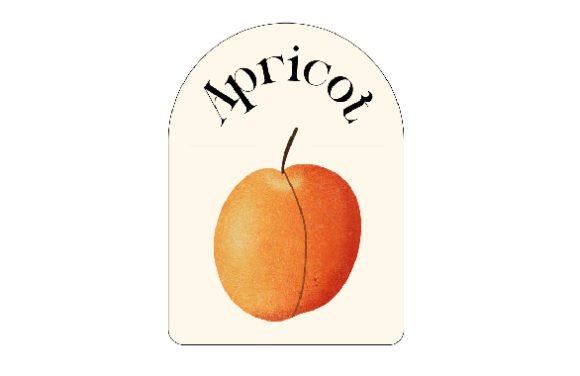
I’ve been creating digital products for online selling for years, and my first step with any new design is to evaluate it as a practical business asset. When I look at Retro Fruit Label - Apricot, Watercolor, my immediate impression is that it carries a specific, nostalgic mood. It feels both rustic and decorative, with a handmade warmth that suggests artisanal quality. This isn’t a minimalist, modern graphic. It’s a piece with a vintage, feminine personality, likely appealing to buyers who lean towards cottagecore aesthetics, farmhouse kitchen decor, or craft projects with a classic, charming touch.
Niche Appeal and Product Fit for Creative Entrepreneurs
For an Etsy seller preparing a seasonal kitchen-themed collection or a print-on-demand merchant building a fruit-inspired product line, this apricot label offers a strong visual starting point. Its watercolor texture and retro styling give it niche appeal. I imagine it resonating with audiences looking for cozy, decorative items rather than sleek, corporate designs. The key question is: what sellable products can this graphic design asset become?
Given the provided file formats—SVG, PNG, EPS, DXF—the applications are broad. The SVG file means it’s ready for Cricut projects and other cutting machines, turning it into precise sticker designs, scrapbooking elements, or appliques for fabric. The transparent PNG makes it a versatile clipart for digital products, easily layered into Canva templates for social media graphics, blog banners, or printable wall art. The EPS and DXF support professional print workflows, essential for sublimation designs on mugs or t-shirts, or for integration into more complex packaging design.
Testing the Label Across Product Mockups
Before publishing any listing, I always test a design across several mockup scenarios. Here’s how I’d approach this one:
- First, I’d place the PNG on a simple mug mockup and a t-shirt template to gauge its suitability as merchandise. Does the watercolor detail hold up when scaled? Does it feel balanced on the product?
- Next, I’d import the SVG into design software to test its cut lines. For a sticker design or a tote bag print, clean, unbroken paths are critical.
- Then, I’d use it in a decorative layout for a digital download, like a printable fruit-themed greeting card or invitation template. Does it pair well with text? Does it serve as a strong focal point?
- Finally, I’d create a marketplace thumbnail. How does it look as a small image in an Etsy search? Its vintage colors need to stand out without being overpowered.
This process reveals where the asset shines and where it might need support.
Where This Apricot Label Enhances Product Presentation
In a crowded creative marketplace, presentation is everything. This label can significantly boost the perceived value of a product collection. Its artistic quality helps build customer trust—it looks like a premium, thoughtful design. When used in listing images or mockup previews, it contributes to a cohesive brand story, especially for a small business focusing on handmade or kitchen-craft themes.
For visual storytelling, it’s excellent. Imagine using it in a promotional graphic for a “Summer Fruit” digital paper pack or as part of a larger illustration in a planner sticker kit. It adds decorative charm. In a product bundle—say, a set of retro fruit labels—it helps create thematic consistency, increasing the click-through potential by offering a clear, attractive aesthetic.
Optimal Use Cases for Maximum Impact
Based on its style, Retro Fruit Label - Apricot, Watercolor works best in certain applications:
- Themed Bundles: As part of a fruit label collection on Etsy or Creative Fabrica.
- Printable Products: As the central art for kitchen wall art, recipe card decorations, or nursery prints.
- Merchandise Graphics: On light-colored totes, mugs, or apron designs where its soft hues pop.
- Social Media Promos: As a branded graphic for a food blogger or craft business.
- Digital Download Listings: Where the high-resolution detail can be showcased in large previews.
It’s also a strong candidate for integration into Canva templates, giving content creators a ready-made, commercial design element for their own projects.
Potential Pitfalls and Practical Seller Checks
No digital product is universally perfect. There are situations where this label should be used carefully. Its intricate watercolor details and potentially fine lines mean it might not perform well in tiny sticker details if the cut lines are too complex. On overly crowded thumbnails, its subtle color palette could get lost.
For print-on-demand, testing print colors is vital. Watercolor gradients can sometimes appear differently on fabric versus ceramic. I’d always run a test print. Similarly, on dark backgrounds, the label’s lighter areas might need a contrast boost to remain visible.
A crucial note for Cricut or Silhouette users: inspect the SVG cut quality. Ensure all paths are closed and there are no unnecessary nodes that could cause cutting errors. This is a fundamental step before selling any finished sticker design or cut-out product.
Essential Pre-Publishing Steps
My final checklist before launching a product featuring this asset would include:
- Confirm the commercial licensing of the original asset and my intended use.
- Organize all derivative files clearly for my customers, labeling formats appropriately.
- Pair the label with complementary fonts in mockups—a serif font for a classic feel, a script font for elegance, or a clean sans-serif for a more modern mix—to see which combination elevates the final product.
- Verify the PNG transparency in a layered software program to ensure no hidden white background remains.
- Preview the design on both white and dark backgrounds to understand its versatility.
- Check the file resolution for large-scale printable products like wall art to avoid pixelation.
By completing these steps, I transform the single Retro Fruit Label - Apricot, Watercolor graphic into a reliable, professional-looking component of my online shop. It becomes more than clipart; it becomes a foundational piece for a product line that appeals to crafters, digital product creators, and small business owners looking for authentic, decorative design assets.
Ultimately, its value lies in its ability to be adapted. For a seller, that adaptability is the core of a sustainable creative business. This apricot label, with its specific mood and multiple file formats, offers a solid starting point for building products that feel cohesive and thoughtfully crafted, which is exactly what today’s marketplace customers are seeking.