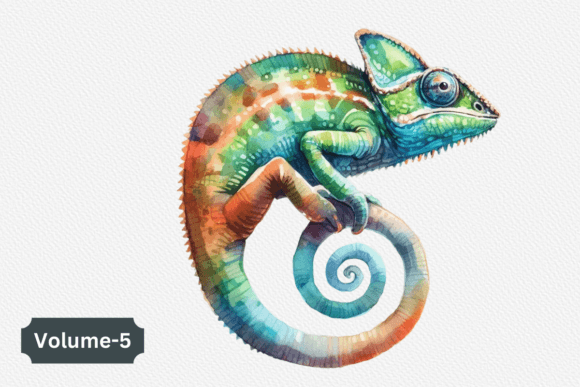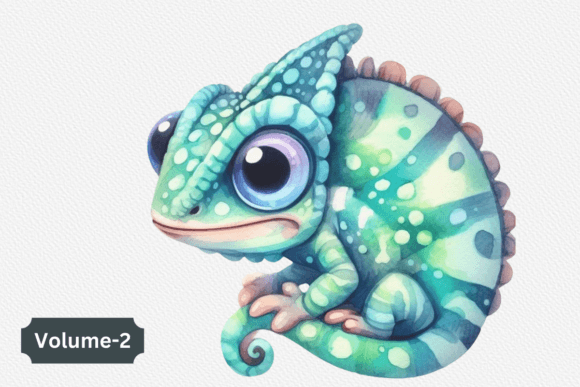
A Closer Look at the Watercolor Chameleon Clipart
When you’re sourcing a new embroidery design, the first impression is everything. It tells you whether a file is just decorative art or a truly usable asset for your projects. This particular Watercolor Chameleon Clipart Volume –2 landed in my digital toolbox with a promise of high resolution and transparency, but my designer’s eye immediately looked past the specs to assess its practical soul. Here’s what I saw.
The Whimsical, Artistic Mood It Creates
This isn’t a rigid, technical illustration. The watercolor style suggests soft blends, gentle gradients, and an organic, painterly feel. That translates emotionally to a project imbued with charm, creativity, and a touch of whimsy. The chameleon itself, a creature of adaptation and color, carries a fun, slightly mystical personality. For embroidery projects, this means the finished product won’t feel stark or corporate. It’s perfect for items where you want to evoke warmth, artistry, and a handcrafted story.
Imagine a custom embroidered tote bag for a nature-loving friend. The watercolor chameleon, stitched onto a natural canvas bag, wouldn’t look like a generic logo; it would feel like a personalized piece of art they carry. That’s the mood this design sets from the outset.
Where This Design Finds Its Natural Home
In my review for real use, I mentally placed this embroidery design across a range of typical projects. Its high-resolution detail (3600 x 3600 pixels at 300 Dpi) is a good starting point, suggesting it can scale well without losing integrity.
It sings on items where its artistic quality can shine: a statement sweatshirt or t-shirt for a boutique brand, a decorative pillow cover in a sunroom, a unique apron for a creative cook, or a baby item like a blanket or romper for a nursery with a theme of wonder. As an embroidered patch, it could become a beautiful, standalone piece for a jacket or backpack. For craft business owners and Etsy sellers, this clipart offers a ready-made, attractive centerpiece for holiday gifts or small shop merchandise.
Thinking Through the Stitching Reality
The leap from digital graphics to physical stitches is where practical judgment matters. The watercolor aesthetic, with its soft edges and color transitions, will require thoughtful translation into thread. Areas that appear as blended washes in the PNG will need to be interpreted by your embroidery machine’s fill stitch patterns. This isn’t a drawback, but a creative consideration.
For a project like a custom apparel item, the success will hinge on your thread color selection. Choosing shades that mimic a watercolor gradient—perhaps softer blues, greens, and yellows for the chameleon’s body—will preserve that painterly feel. A stark, solid color palette might lose the design’s essential character.
Projects That Demand Extra Care
Not every project is an ideal canvas. Given the likely detail in this chameleon design, there are situations where I’d proceed with caution. Small hoop sizes could compress those details, making fine areas like the eyes or delicate limb lines challenging. Textured fabrics like heavy linen or looped towels might obscure subtle stitch variations.
Embroidering on dark fabric backgrounds requires a bright, contrasting thread strategy to keep the design vibrant. On stretchy fabric or curved surfaces like caps, using the proper stabilizer is non-negotiable to prevent distortion of those organic shapes. And for any product destined for frequent washing, such as kitchen towels or children’s wear, testing stitch density on scrap fabric first is crucial to ensure durability.
The Impact on Your Business and Customer
Using a design with this distinct artistic appeal affects more than just the stitch. It elevates the perceived value of your finished product. A customer seeing this chameleon on a handmade product perceives uniqueness and craftsmanship—it’s not a mass-market graphic. That builds customer trust and engagement, especially for creative entrepreneurs building a cohesive brand around nature or art themes.
For personalized gifts, it adds a layer of thoughtfulness. The design feels chosen, not just applied. In your Etsy listings or printable mockups, it provides strong visual appeal that can help a listing stand out. It’s a design asset that, when used well, enhances your entire presentation’s professionalism.
Essential Notes Before You Hoop the Fabric
Before committing this chameleon to a client project or your next craft fair batch, here are my grounded, designer-to-designer notes.
- Test on scrap fabric first. This is your safety net. It reveals how the design’s details translate, how your machine handles the stitch density, and whether your chosen thread colors achieve the desired watercolor effect.
- Check it in black and white. Viewing the PNG in grayscale helps you assess the contrast and identify which areas are critical detail lines versus softer fill areas.
- Compare light and dark backgrounds mentally. Plan your thread palette differently for each scenario.
- Confirm the licensing. The product description provided doesn’t specify license terms. It is absolutely essential to verify whether this Watercolor Chameleon Clipart Volume –2 is cleared for commercial embroidery projects and the sale of finished products before you list any item for sale.
- Inspect the small details. Zoom into the high-res file. Look for any potential trouble spots—very tiny corners or extremely dense areas—that might need machine adjustment.
- Match the design to the product’s purpose. A delicate, artistic chameleon might be perfect for a decorative pillow but less suitable for a rugged work apron. Choose its home wisely.
A Final, Practical Perspective
This Watercolor Chameleon Clipart Volume –2, from the category of illustrations, is a graphic with strong potential for embroidery designers who value artistic flair. Its success won’t be automatic; it will come from your skillful interpretation of its watercolor style into the language of thread and fabric. When paired with the right product, thoughtful execution, and clear commercial rights, it can become a standout element in your embroidery project lineup, adding a touch of painted charm to your craft business or creative hobby. Approach it not just as a file, but as a collaborator in your next beautiful, stitched creation.