A Watercolor Hourglass Dream: A Design Review for Practical Use
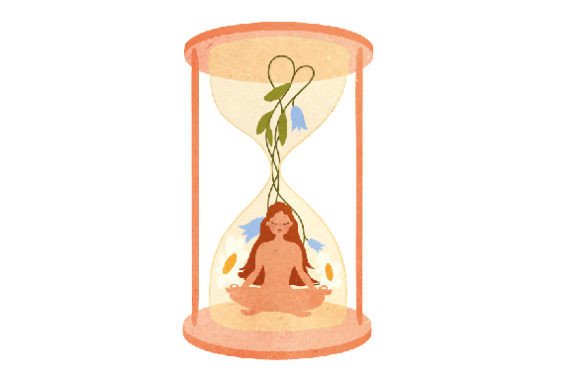
When I first opened the 'Girl in an Hourglass, Watercolor' file, my immediate reaction wasn't about the technical specs—it was about the mood. This isn't a sharp, geometric pattern; it's a soft, wistful story captured in a single image. The watercolor style, with its implied brushstrokes and gentle gradients, translates beautifully into the language of embroidery. It feels less like a rigid graphic and more like a painterly sketch, which gives it a distinct handmade charm that clients and customers genuinely appreciate.
This design sits perfectly within the 'Fairy Tales' and 'Crafts' categories, but its appeal is broader. It evokes a sense of timelessness, delicate fantasy, and quiet contemplation. The shape—a figure contained within the classic hourglass silhouette—creates a natural focal point that’s ideal for centered placements on apparel or home decor. The layout is balanced, with enough detail to be interesting but not so dense that it becomes a stitching nightmare on certain fabrics.
Where This Design Finds Its Perfect Home
In my studio, I think of designs in terms of the products they’ll become. 'Girl in an Hourglass, Watercolor' naturally gravitates towards items where its artistic quality enhances the product's value. Imagine it on a linen tote bag for a bookstore’s small shop merchandise. The soft, slightly textured finish of linen would complement the watercolor effect beautifully. On a cotton pillow cover for nursery decor or a cozy reading nook, it becomes a subtle, sophisticated accent far removed from generic cartoon characters.
For custom apparel, a high-quality cotton sweatshirt or a relaxed-fit t-shirt is an excellent canvas. The design’s size and detail level mean it shouldn’t be miniaturized onto a child’s tiny tee, but rather given respectful space on an adult garment. As a personalized gift, embroidered onto a tea towel or the corner of a blanket, it carries a thoughtful, lasting sentiment. For craft business items, this design elevates simple products. An Etsy seller offering embroidered aprons or boutique kitchen towels could use this to differentiate their line with a more artistic, gallery-like feel.
The Practical Stitching Considerations
Performance in real-life embroidery is where a design’s true character is revealed. The provided formats—SVG, Transparent PNG, EPS, DXF—offer flexibility for both digital previews and machine embroidery file preparation. The watercolor style implies areas of fill stitch with varying density to create that soft gradient look. This is a crucial point to test.
Before running this on a client’s premium sweatshirt, I always stitch it out on a scrap piece of the same fabric. You need to see how those fills behave. On textured fabrics like some knit blends, the gradient effect might soften further, which can be lovely. On very thin or stretchy fabric, however, a denser fill area could pose challenges; a good, appropriate stabilizer is non-negotiable here. For dark fabric backgrounds, the thread color contrast becomes paramount. The delicate lines might need to be stitched in a slightly brighter or more opaque thread than you’d use on light fabric to maintain clarity.
This design would also make a stunning embroidered patch. The contained hourglass shape is perfect for a patch outline. However, inspect the small details, like the girl’s features and the hourglass contours. Ensure your machine and chosen hoop size can render them clearly without losing definition. I wouldn’t recommend trying to shrink this design into a tiny hoop for a cap’s curved surface unless you’re confident in simplifying very fine details.
When Caution is Your Best Friend
Every design has its ideal applications and its less-suited ones. 'Girl in an Hourglass, Watercolor' should be used carefully on items that undergo frequent, harsh washing, like heavy-duty work aprons or certain baby clothes. The artistic, detailed stitching is durable, but for maximum longevity, it belongs on products treated with a bit more care. Similarly, layering it over complex seams or on already-busy garment surfaces could disrupt its clean visual impact.
The design’s strength is its aesthetic appeal, not its bold, graphic simplicity. Therefore, for commercial embroidery projects requiring instant, loud recognition from a distance, it might not be the first choice. But for projects valuing visual appeal, stitching clarity, and a sense of handmade presentation, it shines. It builds customer trust by showcasing craftsmanship and boosts product value by feeling less mass-produced.
Notes from the Worktable: Before You Stitch
Here’s my practical checklist before I commit this design to a final product. First, test it in both black and white digital mockups. This helps visualize it on light and dark backgrounds instantly. Second, review the stitch density in your embroidery software after converting the file. Are there any areas so dense they might puckering lighter fabrics? Third, confirm your hoop size. The design needs space to breathe—don’t cram it.
Thread color selection is an artistic choice here. You could follow a literal watercolor palette or choose a monochrome scheme for a more modern look. Always stitch a color test on scrap. Crucially, if you are planning to sell the finished items—like tote bags or pillow covers at a craft fair—or use the design assets for printable mockups in a digital product shop, you must confirm the licensing terms for the 'Girl in an Hourglass, Watercolor' file. Never assume; check before selling.
The Final Impression: Beyond the Digital File
Ultimately, 'Girl in an Hourglass, Watercolor' is more than a set of vectors and pixels. It’s a design that, when translated into thread and fabric, carries a specific emotion. It won’t shout for attention; it will invite a closer look. For creative entrepreneurs and makers, that’s a powerful tool. It fits products meant for giftability, for brand consistency in a shop that favors elegance, and for buyer engagement that relies on aesthetic connection rather than trend chasing.
In your hands, it can become a cherished holiday gift, a standout piece in a small shop product lineup, or a beautiful addition to your own home. Approach it with the practical respect of testing and preparation, and you’ll be rewarded with an embroidery project that feels both professionally executed and authentically artistic. That’s the sweet spot for any designer looking to create work that lasts.