A Digital Publisher’s Take on Watercolor Cowboy Hat Graphics
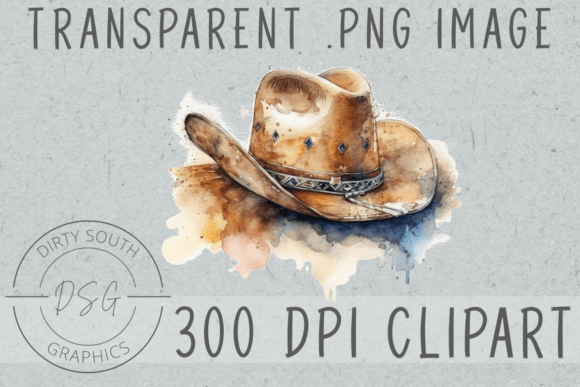
When you’re building a content website, every graphic design asset you choose sends a message. The first impression of this Watercolor Cowboy Hat Clip Art is one of artistic, lifestyle-focused charm. It’s not corporate or starkly modern; it evokes a sense of rustic creativity, nostalgia, and a handcrafted aesthetic. This immediately tells me it’s perfect for editorial niches that lean toward the artistic, the outdoors, western lifestyle, crafts, boutique brands, or even thematic educational content. It creates a mood that feels authentic and approachable, which is gold for building reader trust in those spaces.
The Editorial Mood: Where This Illustration Naturally Fits
The watercolor style, with its soft blends and transparent layers, feels inherently decorative and artistic. For bloggers and publishers, this means it supports content that wants to feel personal, curated, and visually warm. It wouldn’t fit a serious financial blog, but for a site about DIY projects, travel in the American West, creative entrepreneurship, or even a seasonal summer campaign, it’s a standout. The style is playful yet polished, which helps bridge the gap between professional-looking content and a relatable, human touch.
Real Publishing Workflow: From Canva Templates to Lead Magnets
Let’s walk through a real scenario. I’m preparing a blog post series on “Handmade Business Ideas.” My workflow needs featured images, Pinterest pins, a newsletter banner, and a downloadable worksheet as a lead magnet. This cowboy hat illustration becomes a versatile anchor.
- Blog Featured Image & Header: Placed on a clean background with a bold sans-serif headline, it creates immediate category recognition. Readers know this article is about creative, rustic themes.
- Pinterest Graphics: Its 2500x2500 pixel size and transparent PNG background mean I can layer it over textured backgrounds for pins that pop. The artistic detail draws clicks in a feed.
- Digital Guides & eBook Covers: For a downloadable “Western Wedding Decor Guide” or an affiliate-marketed eBook on cowboy aesthetics, this graphic on the cover signals the content’s niche instantly.
- Newsletter Graphics & Social Media Previews: Used in a banner, it makes an email or a social post feel less generic and more like a branded, curated piece of communication.
- Canva Templates & Printables: Because it’s a high-resolution PNG image suitable for printing and sublimation, I can drop it into Canva templates for my audience to use, creating consistent branding for community resources.
Supporting Content Performance: Why This Asset Gets Clicked
In content marketing, visuals are not just decoration; they are performance tools. This clip art supports several key performance areas:
- Stronger First Impression: A unique, non-stock photo graphic makes a blog post or landing page feel more original and invested.
- Better Click-Through Potential: On Pinterest or in a newsletter, an artistic illustration often has higher engagement than a generic photo because it stands out.
- More Consistent Branding: Reusing this asset across blog graphics, social media, and digital products builds a cohesive visual identity for a small business.
- Improved Reader Trust: Polished, thematic graphics suggest expertise and care, making readers more likely to stay and explore.
- Stronger Visual Hierarchy: When used as a focal point, it guides the reader’s eye and breaks up text-heavy layouts in editorial design.
Optimal Use Cases for Maximum Impact
Based on my experience, this watercolor cowboy hat shines brightest in these applications:
- Hero Images & Article Thumbnails: Large, impactful spaces where its detail can be appreciated.
- Pinterest Pins & Social Media Graphics: Where visual discovery and clickability are paramount.
- Editorial Accents & Content Upgrades: Sprinkled within a blog post or on a downloadable worksheet border.
- Downloadable Resources & Lead Magnets: Cover art for printables, digital guides, or media kits for creative entrepreneurs.
- Category Visuals & Newsletter Headers: Establishing a thematic section on a website or a regular email feature.
Publisher Notes: Practical Tests Before You Publish
Before committing this asset to a live project, I run these practical checks in my web design and editorial process:
- Test on Desktop & Mobile: How does it scale? The high resolution is great, but I check how it looks as a small mobile thumbnail. The soft watercolor edges should remain recognizable.
- Preview in a Real Layout: I drop it into a dummy blog post alongside my standard fonts. I test it with a serif font for traditional mood, a sans-serif for modern blend, and a script font to see if it feels too busy.
- Check Contrast & Readability: When overlaying text, I ensure the background area has enough contrast. The transparent background is a huge advantage here.
- Review File Size & Web Performance: A 300 DPI PNG at that size can be large. For web use, I properly compress it without losing quality for mobile load times.
- Confirm Commercial Licensing: This is crucial. Before using it on monetized affiliate pages, paid digital products, or client work, I verify the license allows for commercial use without attribution if needed.
Where to Use This Graphic Design Asset Carefully
Its artistic style means it has some natural limitations. I would use it carefully in:
- Very Small Mobile Thumbnails: Fine watercolor details might become indistinct.
- Text-Heavy Blog Images: If the image area is crowded with copy, the delicate illustration could get lost.
- Low-Contrast or Busy Layouts: Placing it on a similarly textured or colored background reduces its impact.
- Serious Corporate or Technical Niches: The playful, rustic mood would clash with formal content.
- Minimalist Visual Systems: Websites that rely on stark icons and geometric shapes might find this asset too decorative.
The Final Take: Elevating Your Visual Communication
For bloggers, content creators, and digital marketers, the Watercolor Cowboy Hat Clip Art is more than just a picture; it’s a strategic design asset. It elevates visual communication by providing a unique, brandable element that speaks directly to a specific audience. Its high-quality PNG format, with a transparent background suitable for printing, makes it endlessly flexible across digital and physical applications. When integrated thoughtfully into a publishing workflow—from blog graphics to affiliate content visuals—it helps transform generic content into polished, clickable, and trustworthy editorial experiences. That’s the real power of choosing the right illustration.