A Designer’s Take on the Watercolor Forest Night Circle Round
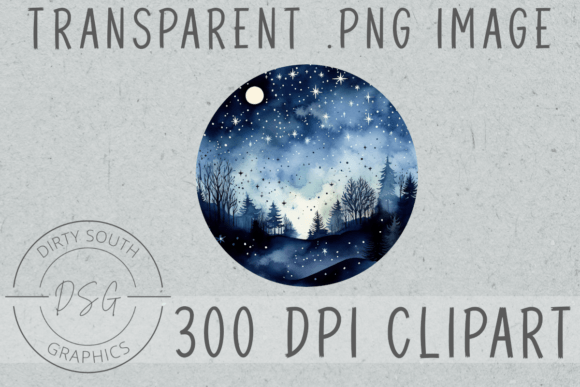
When a new embroidery-ready graphic lands in my library, I don’t just look at it—I think about it. I imagine it stitched out, held in hands, worn on a sleeve, or hung on a wall. The Watercolor Forest Night Circle Round immediately struck me as one of those designs that isn’t just pretty; it’s a mood. There’s a quiet, almost magical atmosphere to it. The circular composition feels complete and intentional, a little world unto itself. It’s not a sharp, graphic illustration; it’s a soft, dreamy vignette. This tells me it’s not meant for loud, bold statements, but for projects that whisper a sense of calm and wonder.
The Natural Habitat for This Forest Scene
So, where does this design live best? In my mind, I started running through real client requests and my own product lines. I pictured a custom embroidered pillow cover for a nursery or a cozy reading nook. The round shape would nestle perfectly in the center, creating a focal point without overwhelming the fabric. I thought of a holiday gift for a nature-loving friend: this design stitched onto a high-quality tea towel or the corner of a blanket. The watercolor style avoids a childish cartoon look, giving it a more artistic, adult-appeal that’s perfect for boutique merchandise.
Then, apparel. A sweatshirt or tote bag comes to mind immediately. The circular format is classic for chest prints and bag fronts. The “night” theme, with its deeper tones, suggests it would pair beautifully with rich, solid-colored fabrics—a navy sweatshirt, a charcoal tote. It feels less like a summer t-shirt graphic and more suited for autumn and winter layers, or for personalized gifts that have a timeless, non-seasonal quality.
Practical Performance on the Needle and Fabric
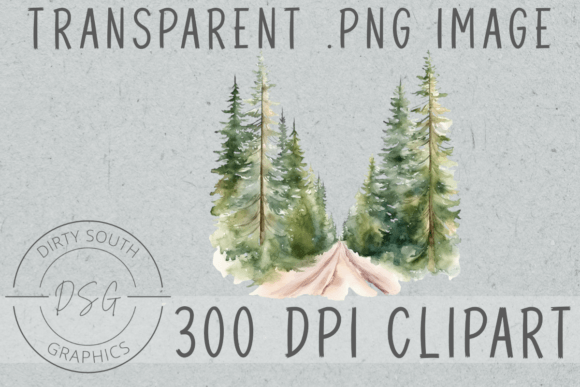
Moving from imagination to the machine, a design like this presents specific considerations. The watercolor effect implies soft edges and blended tones. In embroidery, this translates to areas of fill stitch with subtle transitions. The detail level appears manageable—there are distinct elements like trees and a moon, but they aren’t overly tiny. This is good news for clarity on most fabrics.
However, that same watercolor softness means you must be vigilant about stitch density in the darker areas. A dense, dark fill on a lightweight fabric like a standard t-shirt could lead to puckering or a stiff feel. This design naturally calls for a good stabilizer and, I’d suggest, a slightly larger hoop size to allow the stitches to lay properly without crowding. It’s not a design I’d try to cram into a very small hoop for a cap’s curved front; the circular shape and detail might distort. It’s better suited for flat, stable surfaces like bag panels or jacket backs.
Thread color choice will be crucial. The design uses color to create its nightscape mood. You’ll need to test your thread palette against the fabric color to ensure the intended contrast and ethereal feel come through. On a dark fabric, some of the mid-tone elements might get lost if the thread isn’t chosen carefully. Always test on scrap fabric first.
Where Caution is Needed: A Realistic Review
Let’s talk about limitations, because every great design has them. The Watercolor Forest Night Circle Round, given its artistic style, might not be the best choice for projects requiring extreme durability or frequent, harsh washing. Very intricate, blended fill stitches can wear differently over time on items like kitchen towels or baby clothes that see daily use. It’s a design for appreciation, not for abrasion.
Similarly, on highly textured fabrics like thick wool or loose linen, some of the finer details might not translate with perfect clarity. The design’s strength is its aesthetic, not its hard-edged precision. For a small business owner, this means positioning it on products where visual appeal and handmade presentation are paramount—a decorative pillow, a special occasion sweatshirt, a keepsake patch—rather than on utilitarian workwear.
Impact on Your Product and Your Customer
From a commercial perspective, using a design with this distinct personality does something important: it builds customer trust and brand consistency. If your shop’s vibe is artistic, gentle, or nature-inspired, this graphic aligns perfectly. It feels like a complete, professional design asset, not a generic clipart. That elevates your finished product. A customer buying an embroidered tote bag with this design isn’t just buying a bag; they’re buying a piece of art. That enhances perceived value and giftability immensely.
For Etsy sellers and creative entrepreneurs, it also provides a fantastic base for printable mockups and digital previews. The high-resolution PNG with a transparent background means you can showcase it on various product backgrounds cleanly, helping buyers visualize it on their chosen item. This engages buyers directly and reduces uncertainty.
Final Notes Before You Stitch
My final thoughts, as I would note them in my own project planner: This is a PNG image, suitable for printing and, by extension, for digitizing into an embroidery file. You are not getting a pre-digitized file with stitch types and counts defined. That work is up to you or your digitizer. The 2500×2500 pixel size is a great starting point, offering enough detail for clean conversion. Remember, the final stitch outcome depends on your digitization skill and machine settings.
Always check the specific licensing of the graphic for your intended use. Can it be used for commercial embroidery projects where you sell the physical item? Confirm this before listing that custom apparel in your shop. And one last practical tip: view the design in a black and white mockup. This helps you see the contrast levels stripped of color, ensuring the composition holds its shape even if you decide to change the thread palette for a specific project.
The Watercolor Forest Night Circle Round is a beautiful, evocative starting point. It asks for a thoughtful approach to translation from screen to stitch, but rewards that effort with a finished product that carries a genuine, quiet emotion. It’s the kind of design that makes a handmade product feel truly special.